सत्यमेव जयते नानृतम् सत्येन पन्था विततो देवयानः । येनाक्रमन्त्यृषयो ह्यात्मकामो यत्र तत् सत्यस्य परमं निधानं ॥ ( मुण्डक-उपनिषद 3.1.6)

सत्य की ही विजय होती है, असत्य की नहीं। सत्य से ही वह (देवयान) मार्ग परिपूर्ण है, जिसके द्वारा कामना रहित ऋषिगण, जहां सत्य का श्रेष्ठ भण्डार (परम आनंद) है, उस (परमपद) को प्राप्त करते हैं।

Truth alone triumphs; not falsehood. Through truth the divine path is spread out by which the sages whose desires have been completely fulfilled, reach to where is that supreme treasure of Truth.

शनिवार, 21 दिसंबर 2013

=====On Parmatma sustains all lives=====
“Om Namo Bhagavate Vasudevayah”

Ch13:sh34
यथा प्रकाशयत्येकः कृत्स्नं लोकमिमं रविः ।
क्षेत्रं क्षेत्री तथा कृत्स्नं प्रकाशयति भारत ॥

भावार्थ : हे अर्जुन! जिस प्रकार एक ही सूर्य सभी लोकों को प्रकाशित करता है, उसी प्रकार एक ही क्षेत्री [परमात्मा] सभी जीवों कों जीवन रूपी प्रकाश से प्रकाशित करता है॥

Ch13:sh34
yatha prakasayaty ekah krtsnam lokam imam ravih
ksetram ksetri tatha krtsnam prakasayati bharata

Like just one Sun illuminstes all places, similarly O Bharata! In all bodies just one Ksetraa(The almighty(Lord Krishna)) illuminates the light of the life

“Shri Hari Om Tat Sat”

Photo: =====On Parmatma sustains all lives=====
“Om Namo Bhagavate Vasudevayah”

Ch13:sh34
यथा प्रकाशयत्येकः कृत्स्नं लोकमिमं रविः ।
क्षेत्रं क्षेत्री तथा कृत्स्नं प्रकाशयति भारत ॥

भावार्थ : हे अर्जुन! जिस प्रकार एक ही सूर्य सभी लोकों को प्रकाशित करता है, उसी प्रकार एक ही क्षेत्री [परमात्मा] सभी जीवों कों जीवन रूपी प्रकाश से प्रकाशित करता है॥

Ch13:sh34
yatha prakasayaty ekah krtsnam lokam imam ravih
ksetram ksetri tatha krtsnam prakasayati bharata

Like just one Sun illuminstes all places, similarly O Bharata! In all bodies just one Ksetraa(The almighty(Lord Krishna)) illuminates the light of the life

“Shri Hari Om Tat Sat”

Unlike ·  · Promote · 

शनिवार, 7 दिसंबर 2013

All Hindus belong to one family to the same tree of the SANATANA DHARMA

CAN SANATAN DHARMA (HINDUISM) BE CONSIDERED AS A RELIGION?


Religion is an organized collection of beliefs, cultural systems, and world views that relate humanity to the supernatural, and to spirituality. And hence it does not always refer to Abrahamic religion, as is the common misconception.


This is a very important question, but really tricky. You would come across people saying that it's not a religion, it's a way of life, it's an open source religion and so on. According to my limited knowledge in this most ancient and vast subject, the answer would depend upon the context.

The most common one - Hinduism is not a religion

Religion is a western term. Hinduism is Sanatana Dharma. This is covered in the next point. For this point, please note that when we talk of religion, we usually refer to Abrahamic religion. Religion, according to this paradigm, is generally understood to have the following characteristics :

Has a specific prescriptive model of God
Has very prescriptive DOs and DON'Ts
Usually has an identifiable founder
Threatens potential transgressors with hell
Usually aggressively conquering / proselytizing
Has one main scripture with subsidiaries
Has well defined, unvarying rites and rituals

I am not saying all of Abrahamic religions are like this, but these points are generally associated with the term "religion".

Hinduism has none of the above characteristics. Some treat Maa Shakti as greatest, some as Vishnu, etc. Some believe in rituals, some treat God as formless, some prefer Vedas, some Gita and so on. So in this paradigm, Hinduism is not a religion - this is the common case.

Hinduism as a religion :

Now if we take the correct definition of religion as on wiki - Religion, Hinduism would be considered as a Dharmic religion. Although the origin of the word "Hinduism" is debatable, its a well known fact that it is called as Sanatana Dharma since ancient times. Sanatana means eternal and Dharma refers to Laws and duties of an individual that are necessary to maintain harmony in the universe.

So according to the universal definition, which is the correct one that we should consider, Hinduism is a religion.

Hinduism as a way of life - clearing a common misconception:

Sure, Hinduism is a way of life. But so are all the religions, Abrahamic or otherwise. Many people incorrectly think that Hinduism is not a religion because it is a way of life, or Hinduism is a way of life because it is not a religion. This is a misconception. Every religion prescribe certain customs, beliefs, etc that people adopt in their day-to-day life. The difference in Hinduism is that it does not prescribe specific customs or beliefs. It's a philosophy on decentralized paradigm where individuals can choose to follow what they like.

Hinduism as an open-source religion :

Now they are millions of Gods, thousands of scriptures, uncountably many beliefs, etc under the umbrella "Hinduism". People are free to choose whom they pray, what they study and follow, etc. Not only this, people can pick any "version" and extend and customize it according to the needs of the hour, ie. it keeps on getting "refreshed", otherwise it would have become obsolete. Swami Vivekananda, Chaitanya, etc - all of them popularized different schools of thoughts. So in this sense Hinduism is called an open-source religion. But a very important distinction from open-source softwares is that the core values of Hinduism like concepts of Karma, Yoga, Dharma, Moksha, universal peace, etc remain the same and so does the core messages of the scriptures.

OM

Vasudeva Kutumbakam
 — with Yogesh Singh Khatri and 30 others.
Photo: CAN SANATAN DHARMA (HINDUISM) BE CONSIDERED AS A RELIGION?

Religion is an organized collection of beliefs, cultural systems, and world views that relate humanity to the supernatural, and to spirituality. And hence it does not always refer to Abrahamic religion, as is the common misconception.

This is a very important question, but really tricky. You would come across people saying that it's not a religion, it's a way of life, it's an open source religion and so on. According to my limited knowledge in this most ancient and vast subject, the answer would depend upon the context.

The most common one - Hinduism is not a religion

Religion is a western term. Hinduism is Sanatana Dharma. This is covered in the next point. For this point, please note that when we talk of religion, we usually refer to Abrahamic religion. Religion, according to this paradigm, is generally understood to have the following characteristics  :

Has a specific prescriptive model of God
Has very prescriptive DOs and DON'Ts
Usually has an identifiable founder
Threatens potential transgressors with hell
Usually aggressively conquering / proselytizing
Has one main scripture with subsidiaries
Has well defined, unvarying rites and rituals

I am not saying all of Abrahamic religions are like this, but these points are generally associated with the term "religion".

Hinduism has none of the above characteristics. Some treat Maa Shakti as greatest, some as Vishnu, etc. Some believe in rituals, some treat God as formless, some prefer Vedas, some Gita and so on. So in this paradigm, Hinduism is not a religion - this is the common case.

Hinduism as a religion :

Now if we take the correct definition of religion as on wiki - Religion, Hinduism would be considered as a Dharmic religion. Although the origin of the word "Hinduism" is debatable, its a well known fact that it is called as Sanatana Dharma since ancient times. Sanatana means eternal and Dharma refers to Laws and duties of an individual that are necessary to maintain harmony in the universe.

So according to the universal definition, which is the correct one that we should consider, Hinduism is a religion.

Hinduism as a way of life - clearing a common misconception:

Sure, Hinduism is a way of life. But so are all the religions, Abrahamic or otherwise. Many people incorrectly think that Hinduism is not a religion because it is a way of life, or Hinduism is a way of life because it is not a religion. This is a misconception. Every religion prescribe certain customs, beliefs, etc that people adopt in their day-to-day life. The difference in Hinduism is that it does not prescribe specific customs or beliefs. It's a philosophy on decentralized paradigm where individuals can choose to follow what they like.

Hinduism as an open-source religion :

Now they are millions of Gods, thousands of scriptures, uncountably many beliefs, etc under the umbrella "Hinduism". People are free to choose whom they pray, what they study and follow, etc. Not only this, people can pick any "version" and extend and customize it according to the needs of the hour, ie. it keeps on getting "refreshed", otherwise it would have become obsolete. Swami Vivekananda, Chaitanya, etc - all of them popularized different schools of thoughts. So in this sense Hinduism is called an open-source religion. But a very important distinction from open-source softwares is that the core values of Hinduism like concepts of Karma, Yoga, Dharma, Moksha, universal peace, etc remain the same and so does the core messages of the scriptures.

OM 

Vasudeva Kutumbakam

शनिवार, 13 जुलाई 2013

In no other nation and no other religion in the world, true history is so meticulously documented


Questioning Ramayana and Mahabharata is like questioning the very existence of India. everyone must watch this video ... http://www.youtube.com/watch?v=fkTk72LaRxE


.... The Ramayana, Mahabharata, and other ancient Indian texts are true records of Indian history, interwoven with philosophy and spirituality. Just because they talk about battles between gods and demons is no reason to dismiss their accounts of kings and other contemporary developments as great story telling. It is indeed amazing that the Bible mentions numerous fantastic events like the Great Deluge, Pillar of Fire, instantaneous healing of cut-off ears, and is yet considered a history of Christianity and Jews, while the ancient Indian texts are considered “mere” mythology....

.... The wonderful thing about the Ramayana is that Maharshi Valmiki made it idiot-proof. He packed so much information about the various planetary positions of those days, the geography of the areas, the seasonal events, and about the genealogy of various kings that it is virtually a no-brainer to establish the dates on which those events occurred.
Genealogical links and archaeological findings provide clues to the dating of the Ramayana era. According to writer B.R. Haran: 
In no other nation and no other religion in the world, true history is so meticulously documented
  supported by umpteen evidences. Any ancient history is supported with evidences of architecture and literature. The Sangam literature is the documented evidence for the existence and ruling of Tamil kings, and similarly, Ramayana and Mahabharata are the documented evidence for Shree Rama and Shree Krishna. ..... This is a summary of the article (http://www.indianweekender.co.nz/Pages/ArticleDetails/51/508/Comment/The-scientific-dating-of-the-Ramayana) written by Rakesh Krishnan, features writer worked with Fairfax New Zealand, Businessworld, India Today and Hindustan Times, and was news editor with the Financial Express.
thanks to https://www.facebook.com/WeLoveHinduism for sharing this image .... — with Shree Kedarnath Ji and 46 others.

शुक्रवार, 5 जुलाई 2013

ॐ गं गणपतये नमः .... Loving Ganesh - Online eBook


I am one with knowledge itself


1911Like ·  · Unfollow Post · Promote · 

गुरुवार, 11 अप्रैल 2013

What Is Neem Leaf Good For? .....


What Is Neem Leaf Good For? .....

Neem leaf or bark is considered an effective pitta pacifier due to its bitter taste. Hence, it is traditionally recommended during early summer in Ayurveda (that is, the month of Chaitra as per the Hindu Calendar which usually falls in the month of March - April), and during Gudi Padva, which is the First Day of Hindu New Year, the ancient practice of drinking a small quantity of neem juice or paste on that day, before starting festivities, is found. As in many Hindu festivals and their association with some food to avoid negative side-effects of the season or change of seasons, neem juice is associated with Gudi Padva to remind people to use it during that particular month or season to pacify summer pitta.
About Neem : 
Everyone is aware of the immense health qualities neem has. It is a very famous herb of India and is known all over the world for its medicinal properties. It has been used in Ayurveda since a long time and has been mentioned in ancient texts for its exceptional beneficial nature. It is commonly known as Margosa tree in English, while it’s biological name is Azadirachta indica. In India, this tree is revered and worshipped and can be found just about anywhere. It is an evergreen tree, which attains a height of around 40-50 feet. Every part of the neem tree, which includes bark, leaves, branches, fruit, roots, flowers, etc is beneficial. Check out the health and nutrition benefits of neem.
Health & Medicinal Benefits of Neem 
  • Neem has anti bacterial, anti parasitic, anti fungal, anti protozoal and anti viral properties, which means it provides protection from almost all microorganisms.
  • Applying neem in the form of powder or oil on external cuts or wounds has exceptional results. It fights off all kinds of germs and enables in the easy recovery of the affected area.
  • It is very common to take bath in water that has neem leaves added to it. It has medicinal properties and gets rid of all the germs that may be thriving on our bodies.
  • Neem powder or oil is very effective in relieving us of skin ailments such as eczema, acne, skin allergy, rashes, itch, ringworms, etc.
  • Neem water is very effective when used to treat injuries caused due to burns. It heals up skin fast and prevents the creation of any kind of an allergy or infection.
  • Neem oil, when used as a substitute for hair oil, provides amazing results. It prevents hair from graying and also effective in treating dandruff, lice and hair fall.
  • Neem oil can be used to massage muscle aches and joints and can be used to relieve pain from conditions like rheumatoid arthritis, gout, Osteoarthritis, lower back pain, etc.
  • Ingesting neem is beneficial in many ways as it helps to restore the taste of mouth, cures constipation and relieves of indigestion. It also eliminated the problem of acidity.
  • Eating neem will help get rid of intestinal worms, thus performing its role as a de-worming agent and will help restore healthy functioning of the intestines.
  • Taking neem internally is said to effectively improve the quality of blood and purifies and thickens it. It helps getting rid of toxins that may be present in the blood and keeps the body disease-free.
  • Neem is said to be a very effective medicine for people suffering from diabetes and helps to control blood sugar levels to a great extent.
  • Neem has the ability to make the immune system of a body very strong and get rid off any foreign disease that may weaken the body. source : Link
More : 
In India, the tree is variously known as "Sacred Tree," "Heal All," "Nature's Drugstore," "Village Pharmacy" and "Panacea for all diseases." Products made from neem tree have been used in India for over two millennia for their medicinal properties: Neem products have been observed to be anthelmintic, antifungal, antidiabetic, antibacterial, antiviral, contraceptive andsedative. Neem products are also used in selectively controlling pests in plants. It is considered a major component in Ayurvedic and Unani medicine and is particularly prescribed for skin disease.
  • All parts of the tree are said to have medicinal properties (seeds, leaves, flowers and bark) and are used for preparing many different medical preparations.
  • Neem oil is used for preparing cosmetics (soap, neem shampoo - Sunsan herbal, balms and creams, for example Margo soap), and is useful for skin care such as acne treatment, and keeping skin elasticity. Neem oil has been found to be an effective mosquito repellent.
  • Neem derivatives neutralise nearly 500 pests worldwide, including insects, mites, ticks, and nematodes, by affecting their behaviour and physiology. Neem does not normally kill pests right away, rather it repels them and affects their growth. As neem products are cheap and non-toxic to higher animals and most beneficial insects, they are well-suited for pest control in rural areas.
  • Besides its use in traditional Indian medicine, the neem tree is of great importance for its anti-desertification properties and possibly as a good carbon dioxide sink.
  • Practitioners of traditional Indian medicine recommend that patients suffering from chicken pox sleep on neem leaves.
  • Neem gum is used as a bulking agent and for the preparation of special purpose food (for diabetics).
  • Aqueous extracts of neem leaves have demonstrated significant antidiabetic potential.
  • Traditionally, slender neem branches were chewed in order to clean one's teeth. Neem twigs are still collected and sold in markets for this use, and in India one often sees youngsters in the streets chewing on neem twigs.
  • A decoction prepared from neem roots is ingested to relieve fever in traditional Indian medicine.
  • Neem leaf paste is applied to the skin to treat acne, and in a similar vein is used for measles and chicken pox sufferers.
  • Neem blossoms are used in Andhra Pradesh, Tamil Nadu and Karnataka to prepare Ugadi pachhadi. "Bevina hoovina gojju" (a type of curry prepared with neem blossoms) is common in Karnataka throughout the year. Dried blossoms are used when fresh blossoms are not available. In Tamilnadu, a rasam (veppam poo rasam) made with neem blossoms is a culinary speciality.
  • A mixture of neem flowers and bella (jaggery or unrefined brown sugar) is prepared and offered to friends and relatives, symbolic of sweet and bitter events in the upcoming new year.
Extract of neem leaves is thought to be helpful as malaria prophylaxis despite the fact that no comprehensive clinical studies are yet available. In several cases, private initiatives in Senegal were successful in preventing malaria. However, major NGOs such as USAID are not supposed to use neem tree extracts unless the medical benefit has been proved with clinical studies.
Uses in pest and disease control
Neem is deemed very effective in the treatment of scabies, although only preliminary scientific proof, which still has to be corroborated, exists, and is recommended for those who are sensitive to permethrin, a known insecticide which might be an irritant. Also, the scabies mite has yet to become resistant to neem, so in persistent cases neem has been shown to be very effective. There is also anecdotal evidence of its effectiveness in treating infestations of head lice in human. source : Link

सोमवार, 25 मार्च 2013

Imagine after a game of Holi your skin begins to glow and your hair get an added bounce or lustre...


It is to be noted that Holi can become more soothing after the play with colours with the use of natural colours. 
As natural colours are obtained from skin friendly sources such as turmeric or haldi, flower extracts, sandalwood, mehndi besides several others. Besides, natural colours are cheap and can easily be prepared at home. 
Ancient India was fully aware of the benefits of the fragrant natural colours for our skin and health and also there therapeutic value. 
The ingredients of Gulal were purposely chosen for their emollient qualities. (The main ingredients for gulal were the forest flowers of the 'tesu' or 'palash' tree. In those days, these, bright red orange flowers were collected dried and then ground to fine dust. The powder when mixed with water made a beautiful orange-red dye. This pigment and also 'abeer', made from natural colored talc were the ancient colors used during Holi. In fact abeer’s colours are derived from flower extracts like that of aparajita, marigold, hibiscus and dopati. They were certainly not harmful as it was naturally good for the skin, unlike the modern day synthetic colours.)

In Vrindavan, Holi is still played with actual flower petals chosen for their fragrance and colour such as rajnigandha and rose. 
By using these safe, natural colours we can help to save our environment and conserve our bio-diversity. When colours containing harmful chemicals such as lead oxide, oxidised metals, industrial dyes and other toxic chemicals get into the river water they cause water and soil pollution. Risking the lives of myriad life forms through the food chain. 

Green 
Dry Colour: Use mehendi / henna powder, separately or mix with equal quantity of any suitable flour to attain a lovely green shade. Make use only pure mehendi and not the one mixed with amla (meant to be applied to our hair) as this would be brown in colour. Dry mehendi will not leave colour on your face as it can be easily brushed off. Only when it is a paste (i.e. it is mixed in water) will it leave a slight colour on your face. Thus, it can be used as a pucca / fast colour. Many people like smearing other person's hair with colours. How about doing it with mehendi powder and saving a trip to the parlour? 
Other methods 
Dry and finely powder the leaves of Gulmohur (Delonix regia) tree for a green colour. Crush the tender leaves of the Wheat plant to obtain a natural safe green Holi colour. 
Wet colour: Mix two teaspoons of mehendi in one litre of water. Stir well. Green colour can also be obtained by mixing a fine paste of leaves like spinach / palak, coriander / dhaniya, mint / pudina, tomato leaves, etc. in water. 

Yellow 
Dry colour: Mix two teaspoons of haldi / Turmeric powder with double quantity of besan (gram flour). Haldi and besan are extremely healthy for our skin, and are also used widely as a ubtan while taking bath. You can use the ordinary haldi or "kasturi" haldi which is very fragrant and has enhanced therapeutic effects. Besan can be substituted by atta, maida, rice flour, arra rot (ground nut) powder, fuller's earth (multani mitti) and even talcum powder. 
Another Method 
Amaltas
Flowers like Amaltas (Cassia fistula), Marigold / Gainda (Tagetus erecta), Yellow Chrysanthemums, Black Babul (Acacia arabica) yield different shades of yellow. Dry the petals of these flowers in shade and crush them to obtain a fine powder. Mix appropriate quantity of the powder with besan, etc. or use separately. Dry the rind of the Bael fruit (Aegle marmelos) and grind to obtain a yellow powder. 
Wet Colour: Add one teaspoon of haldi to two litres of water and stir well. This can be boiled to increase the concentration of colour and further diluted. Soak Amaltas (Cassia fistula) or Marigold / Gainda (Tagetus erecta) flowers in water. Boil and leave overnight. 

Red
Dry Colour: Red Sandal Wood Powder / Raktachandan / Lalchandan (Pterocarpus santalinus) has a beautiful red colour, is extremely beneficial for the skin and is used in face packs, etc. This can be used instead of Red Gulal. Dry red hibiscus flowers in shade and powder to make a lovely red colour. To increase the bulk add any flour to it Sinduria, called Annato in English has a water chestnut shaped fruit which contains lovely brick colour red seeds. These yield both dry and wet colours. 
Wet colour: Put 2 teaspoons of Red Sandal wood powder in a litre of water and boil. Dilute and use. Peels of Red Pomegranate boiled in water give red. For a bright orangish-red, mix thoroughly a pinch of chuna / lime powder (the one that we eat with our paan / betel leaves) with 2 spoons of haldi/ turmeric powder and a few drops of water. Use only after diluting with 10 litres of water. 
Erythrina indica
Extracting red from flower petals 
Buras (Rhododendron arboreum) known as Burans in the Garhwal hills and Brans in the Kumaon hills gives a lovely red colour when soaked in water overnight. Red hibiscus flowers soaked in water overnight give a red which also has medicinal value. The Palita Madar / Pangri / Indian Coral tree/ (Erythrina indica), found commonly in coastal regions, has large red flowers. Soak the flowers in water overnight. Boil wood of Madder Tree in water for a deep red. Red colour can also be obtained from juice of tomatoes and carrots. This can be diluted with sufficient quantity of water to remove the stickiness. 

Blue 
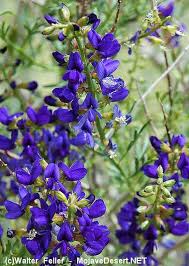
Indigo Plant
Dry Colour: The Jacaranda flowers can be dried in the shade and ground to obtain a beautiful blue powder. The flowers bloom in summers. The blue Hibiscus which is found in Kerala can be dried and powdered just like the red hibiscus 
Wet Colour: Crush the berries (fruits) of the Indigo plant and add to water for desired colour strength. In some Indigo species the leaves when boiled in water yield a rich blue. 
Magenta 
Wet Colour: Slice or grate one Beet root. Soak in 1 litre of water for a wonderful magenta. Boil or leave overnight for a deeper shade. Dilute. Boil the peels of 10 - 15 pink Onions in half litre of water for an orangish-pink colour. Remove the peels before using to remove the smell. Soak Kachnar (Bauhinia variegata) flowers (pink variety) in water overnight, or boil for a pinkish colour. 

Saffron 
Tesu ke phul
Wet Colour: The Flame of the Forest (Butea monosperma), known as Tesu, Palash or Dhak in vernacular languages, is the source of the wonderful, traditional colour for Holi. The flowers are soaked overnight in water and can also be boiled to obtain a fragrant yellowish - orange colored water. The dried flowers can be dried and powdered for a orange powder. Legend says that Lord Krishna used to play Holi with Tesu flowers, and the flowers also have a lot of medicinal properties. Tesu blooms during month of March. Boil flower petals of red variety of Semul / Silk Cotton (Bombax ceiba ) in water. Collect and dry the stalks of Harashringar / Parijatak (Nyctanthes arbor-tristis) flowers during the early winter season. Soak them in water to get a pleasant coloured orange. Mix a pinch of Sandalwood powder from Ujjain (also used in our temples) in one litre of water for an instant, beautiful and fragrant saffron colour. Soak a few stalks of Saffron / Kesar in 2 table spoons of water. Leave for few hours and grind to make a fine paste. Dilute with water for desired colour strength. Though expensive, it is excellent for our skin. 

Brown 
Wet Colour:  Kattha (Acacia catechu), the one eaten in pan, when mixed with water will give a brownish colour. Boil Tea or Coffee leaves in water. Cool and use. 

Black 
Wet Colour: Boil dried fruits of Amla / Indian Gooseberry in an iron vessel and leave overnight. Dilute with water and use. Extract juice of black grapes and dilute with sufficient quantity of water to remove stickiness. 
holifestival